Creating a relaxing home workspace is essential for anyone working remotely or spending extended hours on tasks at home. A well-designed, calming environment not only boosts productivity but also supports your mental and physical well-being. Here are some practical tips to help you organize and personalize your home workspace for the best results.
Why a Relaxing Workspace Matters
Your environment has a direct impact on how you feel and perform. A cluttered, noisy, or uncomfortable space can cause stress and reduce focus. On the other hand, a relaxing workspace encourages calmness, creativity, and efficiency. When designing your area, aim to balance comfort with functionality.
Choose the Right Location
Start by selecting a spot with minimal distractions. If possible, choose a quiet corner with good natural light. Near a window is ideal because sunlight helps regulate your mood and energy levels throughout the day.
If space is limited, consider using room dividers or screens to create a distinct work zone. This separation helps your brain distinguish between work time and relaxation time.
Invest in Comfortable Furniture
A comfortable chair and desk are foundational to creating a workspace that supports your posture and reduces physical strain.
– Ergonomic Chair: Look for adjustable height, lumbar support, and padding.
– Desk: Choose a size that fits your equipment and allows for comfortable movement. Standing desks or adjustable desks can be a great option to alternate between sitting and standing.
– Footrest: If your feet don’t comfortably rest on the floor, a footrest can improve circulation.
Comfort helps prevent fatigue and back pain, keeping you focused for longer periods.
Organize for Efficiency and Calm
Clutter can negatively affect your concentration. Organize your workspace to keep only the essentials within reach.
– Use storage solutions: Baskets, drawers, and filing systems keep papers and supplies tidy.
– Cable management: Use clips or ties to keep cords neat and prevent tangling.
– Minimal décor: Choose a few items that inspire you but don’t crowd your desk.
Keeping your workspace clean can reduce mental clutter, making it easier to start tasks.
Add Calming Elements
Incorporate elements that promote relaxation without distraction.
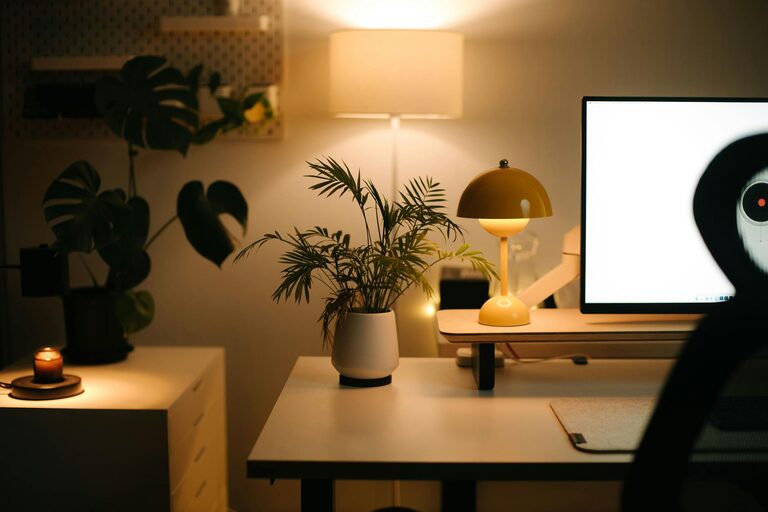
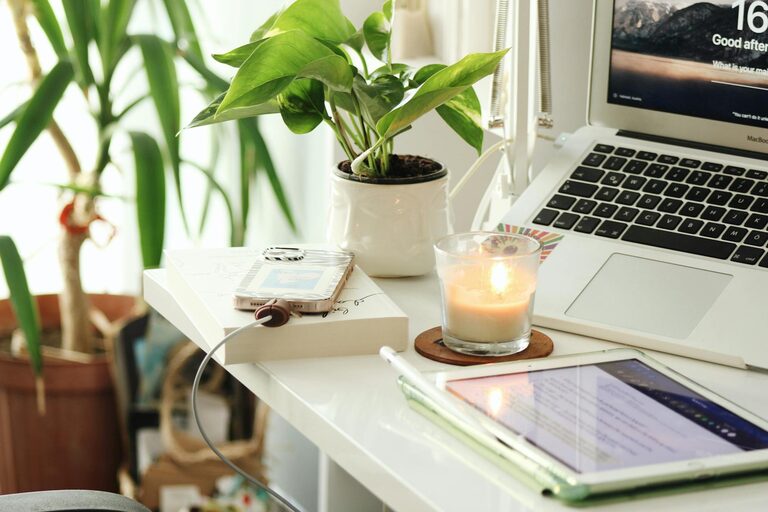
– Plants: Indoor plants not only beautify the space but also improve air quality and reduce stress.
– Soft lighting: Use adjustable lamps or string lights instead of harsh overhead lighting.
– Decor: Add artwork or personal items that make you feel calm and motivated.
Scented candles or essential oil diffusers with subtle fragrances like lavender or eucalyptus can also create a soothing atmosphere.
Manage Noise Levels
Noise can be a big distraction. Find ways to minimize or control sound in your workspace.
– Noise-cancelling headphones: Useful if you can’t avoid noisy environments.
– Soft textiles: Rugs, cushions, and curtains absorb sound.
– Background music or white noise: Choose gentle instrumental music or white noise apps to help maintain focus.
Experiment to find what works best for you.
Set Boundaries and Routine
Creating a relaxing workspace means more than just the physical setup. Structure your workday with habits that support focus and breaks.
– Work hours: Define clear start and stop times to separate work from personal time.
– Breaks: Schedule short breaks to stretch and rest your eyes.
– No work zones: Avoid working in areas meant for relaxation, like the bedroom or couch, to keep boundaries clear.
A consistent routine can improve productivity and reduce burnout.
Optimize Technology
Ensure your devices and internet connection support your work smoothly.
– Reliable internet: Avoid frustration from slow speeds by choosing a good provider or location.
– Ergonomic accessories: Use an external keyboard, mouse, or monitor if needed.
– Screen settings: Adjust brightness and temperature to reduce eye strain.
Investing in proper technology makes working more comfortable and efficient.
Personalize Mindfully
Personal touches make a workspace feel welcoming but keep them minimal to prevent distractions.
– Frame photos or inspiring quotes that motivate you.
– Choose a color palette that feels calming and enhances focus (soft blues, greens, or neutrals are popular).
– Use a comfortable desk mat or chair cushion for added comfort.
Personalizing your space boosts morale and makes the experience enjoyable.
Conclusion
A relaxing home workspace can transform how you work by reducing stress and improving focus. By choosing the right location, investing in comfort, organizing efficiently, and adding calming touches, you create an environment that enhances both productivity and well-being. Remember that your workspace should grow with your needs and preferences, so don’t hesitate to make adjustments over time. With these tips, you can enjoy a more balanced and fulfilling work-from-home experience.