
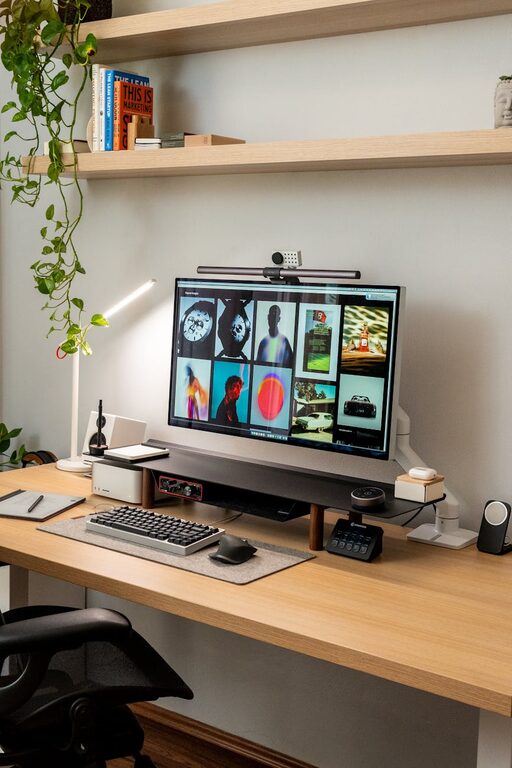
Creating a productive home workspace is vital for anyone who works or studies from home. A well-organized space can help reduce distractions, improve focus, and enhance overall efficiency. Whether you have a dedicated room or just a corner of your living space, optimizing your workspace is both achievable and rewarding. Here are practical tips to help you organize a home workspace that supports your productivity.
Choose the Right Location
Find a Quiet, Comfortable Spot
Selecting a space with minimal noise and foot traffic is important. If possible, pick a room or a corner away from busy areas. Natural light is a bonus—it boosts mood and reduces eye strain. Ensure the space has good ventilation and comfortable temperature control.
Define Your Workspace Zones
If you cannot dedicate one full room, try to clearly mark your workspace within a shared area. Use rugs, bookshelves, or screens to create boundaries that signal “work time” to both yourself and others in the home.
Invest in Functional Furniture
Prioritize Ergonomics
An adjustable chair with good back support and a desk at the right height can prevent discomfort and injury. Ergonomics influences how long and effectively you can work.
Choose Practical Storage Solutions
Look for desks with built-in drawers or add a filing cabinet nearby. Use shelves, bins, or organizers to keep supplies within reach but out of sight. This helps maintain a tidy appearance and reduces clutter.
Organize Your Supplies
Keep Essentials Handy
Store frequently used items like pens, notebooks, and chargers in small containers on or near your desk. This limits distractions caused by searching for tools during work.
Digitize When Possible
Go paperless by scanning important documents and saving them on your computer or cloud storage. This reduces piles of paper and makes files easy to find.
Manage Cables and Electronics
Use Cable Organizers
Loose cords can create a messy look and trip hazards. Use clips, velcro ties, or cable sleeves to keep electronics cords neat and organized.
Arrange Electronics Strategically
Place your computer, printer, and other devices where they are easily accessible but do not crowd your desk. Consider wireless devices to minimize wires.
Personalize Without Clutter
Add Inspiring Elements
Include a few personal touches such as plants, photos, or motivational quotes. These create a pleasant environment that encourages productivity without overwhelming the space.
Avoid Overdecorating
Too many decorations can distract rather than inspire. Aim for a clean, calming workspace with just a few meaningful items.
Establish Daily Routines
Begin and End with Tidying
Start your day by clearing your workspace and setting up what you will need. End each day by putting away supplies and organizing documents. A clean workspace helps you start fresh every morning.
Schedule Breaks
Incorporate regular breaks to stretch, hydrate, or get fresh air. Use timers or apps to remind yourself. Breaks improve focus and prevent burnout.
Control Lighting and Noise
Balance Natural and Artificial Lighting
Position your desk near a window if possible, but avoid glare on your screen. Add a desk lamp with adjustable brightness for cloudy days or late hours.
Use Noise Management Tools
If external noises disrupt your focus, try noise-canceling headphones or white noise apps. Background sounds can help maintain concentration in some cases.
Keep Your Digital Space Organized
Maintain Desktop and File Order
Organize digital files into folders and regularly delete unneeded files. A clutter-free desktop improves workflow and reduces frustration.
Use Productivity Tools
Leverage apps or software for task management, note-taking, and calendar scheduling to stay on track throughout the day.
Final Thoughts
Organizing a home workspace is about creating a space that feels functional and inviting. By choosing the right location, investing in ergonomic furniture, managing clutter both physical and digital, and establishing daily routines, you can create an environment that supports productivity and well-being. Start small, implement one or two changes at a time, and adjust based on what helps you work best. A well-organized home workspace is a key step toward working smarter and enjoying your day more.